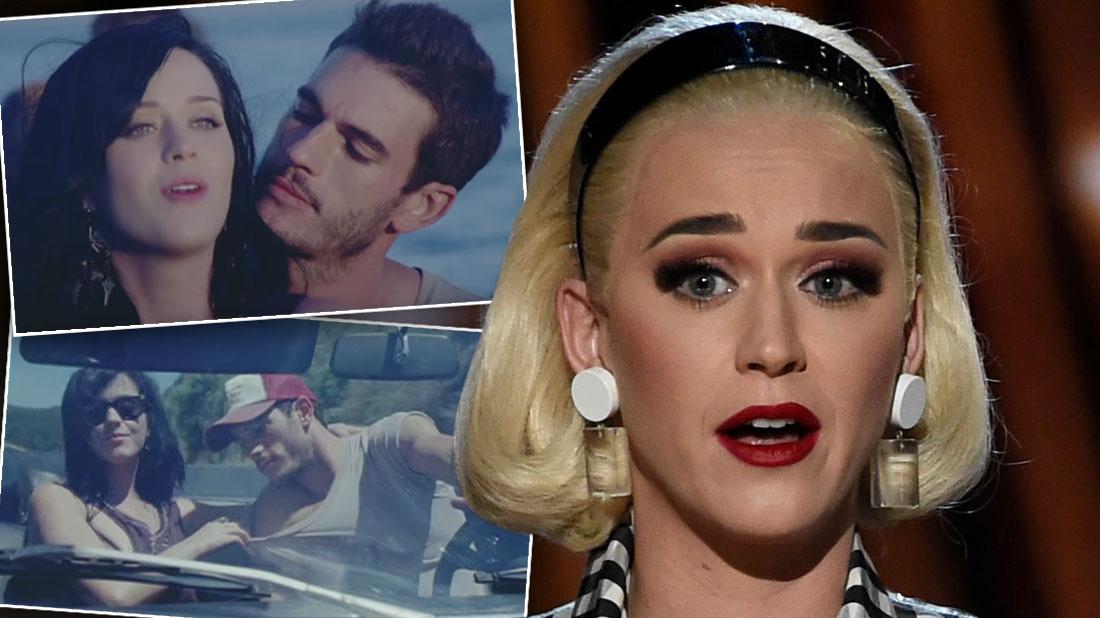
A respected character actor has come forward alleging that pop superstar Katy Perry humiliated him during a private party by pulling down his pants in front of guests. The accusation, which began as a whispered anecdote in entertainment circles, has now gained traction across media outlets and social platforms, reigniting conversations about power dynamics, consent, and the blurred lines between playful pranks and public embarrassment.
The actor, known for his work in independent films and television dramas, claims the incident occurred at an exclusive after-party following a high-profile industry event. According to his account, Perry approached him during a lighthearted moment, exchanged banter, and then unexpectedly yanked his trousers to his ankles—leaving him exposed for several seconds before walking away laughing.
This isn’t just another tabloid scandal. It cuts to the core of how we define respect in social interactions—especially when one person holds significant cultural power over another.
The Incident: What Really Happened?
Eyewitnesses describe a chaotic but celebratory atmosphere that night. Alcohol was present, music pulsed through the venue, and guests—mostly creatives, performers, and influencers—mingled freely. The actor, who has chosen to remain partially anonymous due to career concerns, says he was standing near a lounge area when Perry approached.
“She was joking around with a group,” he said in a recent interview. “I made a sarcastic comment about her stage costumes. She laughed, said, ‘Let’s see how you handle wardrobe malfunctions,’ and then—without warning—grabbed my belt and pulled everything down.”
Multiple attendees confirm seeing the moment unfold. One guest stated, “It happened so fast. Everyone froze. Some people laughed nervously. Others looked uncomfortable. He was clearly shocked.”
Another source noted that Perry didn’t apologize immediately and continued socializing as if nothing had occurred. The actor claims he left the party shortly afterward, feeling “violated and degraded.”
Why This Story Resonates Beyond Gossip
At first glance, this might seem like a trivial episode—celebrities horsing around at parties isn’t new. But the backlash and media attention suggest something deeper is at play.
In the post-#MeToo era, audiences are more attuned to consent and personal boundaries—even in seemingly harmless social settings. What one person views as a joke, another may experience as a violation. And when the person initiating the act is a global superstar, the power imbalance intensifies the impact.
Consider this: - Katy Perry has over 100 million Instagram followers. - She headlines stadiums, commands multimillion-dollar endorsement deals, and influences trends globally. - The actor involved, while respected, operates in a far smaller media orbit.
That imbalance means actions perceived as spontaneous "fun" by one party can feel coercive or degrading to the other—especially when captured on video (though none has surfaced publicly) or retold within industry networks.
Comedian and cultural critic Aisha Lowe put it bluntly: “When fame becomes a force field, every gesture gets amplified. A poke becomes a shove. A prank becomes a power move.”
The Thin Line Between Pranks and Public Humiliation

Pranks have long been part of celebrity culture. From Ashton Kutcher’s Punk’d to Jimmy Kimmel’s food pranks, the entertainment world thrives on orchestrated embarrassment—usually with consent.
But off-camera, unscripted moments don’t always follow those rules.
Key factors that determine whether a prank crosses the line:
| Factor | Acceptable Prank | Crossing the Line |
|---|---|---|
| Consent | Clear, prior agreement | None, assumed, or coerced |
| Setting | Private, low-stakes | Public, crowded, or professional |
| Physical contact | Light, non-invasive | Invasive, degrading, or exposing |
| Power dynamic | Equal status | Significant fame or influence gap |
| Reaction | Mutual laughter | Visible shock, distress, or withdrawal |
In this case, multiple red flags emerge. There was no prior agreement. The setting was semi-public with dozens of witnesses. The act involved direct physical contact and partial exposure. And the power differential between a pop icon and a working actor is undeniable.
Even if Perry intended humor, intent doesn’t erase impact.
Katy Perry’s Pattern of Physical Comedy
This isn’t the first time Perry has engaged in physical humor that some interpret as boundary-pushing.
- At the 2014 Met Gala, she reportedly tripped a paparazzo as a “joke.”
- During a 2017 awards show afterparty, she allegedly dumped a drink on a fellow performer during a staged “spill.”
- In a 2019 interview, she bragged about putting whoopee cushions under VIP seats at events.
While these stories are often shared with a wink, they collectively paint a picture of someone who uses physical comedy as a social tool—one that occasionally disregards personal space.
Supporters argue she’s playful, energetic, and doesn’t mean harm. Critics say she mistakes access for permission.
“She’s not malicious,” said entertainment journalist Marcus Tran, “but she operates like someone who’s never been told ‘no’ at a party. And that’s dangerous.”
Industry Reactions: Silence, Support, and Subtle Condemnation
As of now, Katy Perry has not issued a public statement about the accusation.
Her team has reportedly labeled the story “exaggerated” and “taken out of context,” but has offered no clarification or apology.
Meanwhile, responses from peers have been telling.
- Several actors praised the accuser for speaking up, including Olivia Munn and Kumail Nanjiani, who’ve both discussed consent in comedy.
- A few comedians defended Perry, calling it “locker-room humor” and “overblown.”
- Others, like writer and director Issa Rae, posted subtly coded messages about “respecting boundaries,” without naming names.
Public silence from powerful figures often speaks volumes. When no corrective action or acknowledgment follows an allegation—even a minor one—it signals a tolerance for behavior that might not fly under different power dynamics.
The Bigger Picture: When Jokes Become Microaggressions
This incident fits into a broader cultural shift: everyday actions once dismissed as “just joking” are being reevaluated through the lens of dignity and equity.
A 2023 study by the USC Annenberg School for Communication and Journalism found that 68% of entertainment industry professionals had experienced or witnessed a “humiliating prank” at a work-adjacent event. Of those, only 17% felt comfortable reporting it—especially when a more powerful figure was involved.
The consequences aren’t just emotional. They affect careers.

“I didn’t say anything at the time because I didn’t want to be labeled ‘difficult,’” the actor said. “But now I’m getting cast differently—more comedic, less serious. I think people see me as someone who ‘takes a joke,’ even when it’s at my expense.”
That’s a real, measurable impact: reputational typecasting rooted in a single unconsented moment.
Can This Be Fixed? Pathways to Accountability
Even if the act wasn’t criminal or malicious, there are ethical responsibilities.
True accountability doesn’t require a viral apology video. It starts with acknowledgment.
Possible steps Perry could take:
- Private outreach: A direct, sincere message to the actor acknowledging his discomfort.
- Public clarity: A brief statement distinguishing playful intent from harmful impact.
- Behavior shift: Moving away from physical gags that rely on surprise or exposure.
- Support initiatives: Partnering with organizations promoting consent and boundary education in entertainment spaces.
None of these erase the incident, but they demonstrate growth—an essential quality for public figures navigating evolving social norms.
Where Do We Go From Here?
The Katy Perry pants-pulling accusation isn’t just about one night, one joke, or one celebrity.
It’s about the unspoken rules we accept in social spaces where fame, privilege, and power intersect. It’s about whether we allow “harmless fun” to override personal dignity. And it’s about recognizing that comedy doesn’t exist in a moral vacuum.
Going forward, both public figures and attendees at high-profile events should consider:
- Ask before initiating physical contact, even in jest.
- Respect the discomfort of others, even if others are laughing.
- Recognize that silence isn’t consent—especially when power is involved.
- Create cultures where people can say “stop” without fear of professional retaliation.
Humor should unite, not isolate. And celebration should never come at the expense of someone else’s dignity.
Whether or not Katy Perry addresses this directly, the conversation it has sparked will outlast the headlines. The real test isn’t in damage control—it’s in learning.
What if the prank was meant as a joke?
Intent doesn’t override impact. Even well-meaning actions can humiliate or violate if boundaries aren’t respected.
Has Katy Perry faced similar accusations before?
While no formal complaints exist, past anecdotes suggest a pattern of boundary-pushing physical humor in social settings.
Did anyone intervene during the incident?
Witnesses report hesitation—some laughed, others looked away. No one stepped in to stop it or assist the actor immediately.
Could this affect Katy Perry’s career?
Direct consequences are unlikely, but reputational shifts occur gradually. Sponsors and collaborators may reconsider associations over time.
Is pulling someone’s pants down considered assault?
Legally, it depends on jurisdiction and context. But emotionally and ethically, it’s widely seen as a violation of personal space and dignity.
Why didn’t the actor speak up sooner?
Fear of professional backlash, embarrassment, or being labeled “oversensitive” are common reasons victims delay speaking out.
How can similar incidents be prevented at events?
Clear norms, bystander intervention training, and accountability from hosts can create safer, more respectful environments.
FAQ
What should you look for in Katy Perry Accused of Humiliating Party Prank by Actor? Focus on relevance, practical value, and how well the solution matches real user intent.
Is Katy Perry Accused of Humiliating Party Prank by Actor suitable for beginners? That depends on the workflow, but a clear step-by-step approach usually makes it easier to start.
How do you compare options around Katy Perry Accused of Humiliating Party Prank by Actor? Compare features, trust signals, limitations, pricing, and ease of implementation.
What mistakes should you avoid? Avoid generic choices, weak validation, and decisions based only on marketing claims.
What is the next best step? Shortlist the most relevant options, validate them quickly, and refine from real-world results.