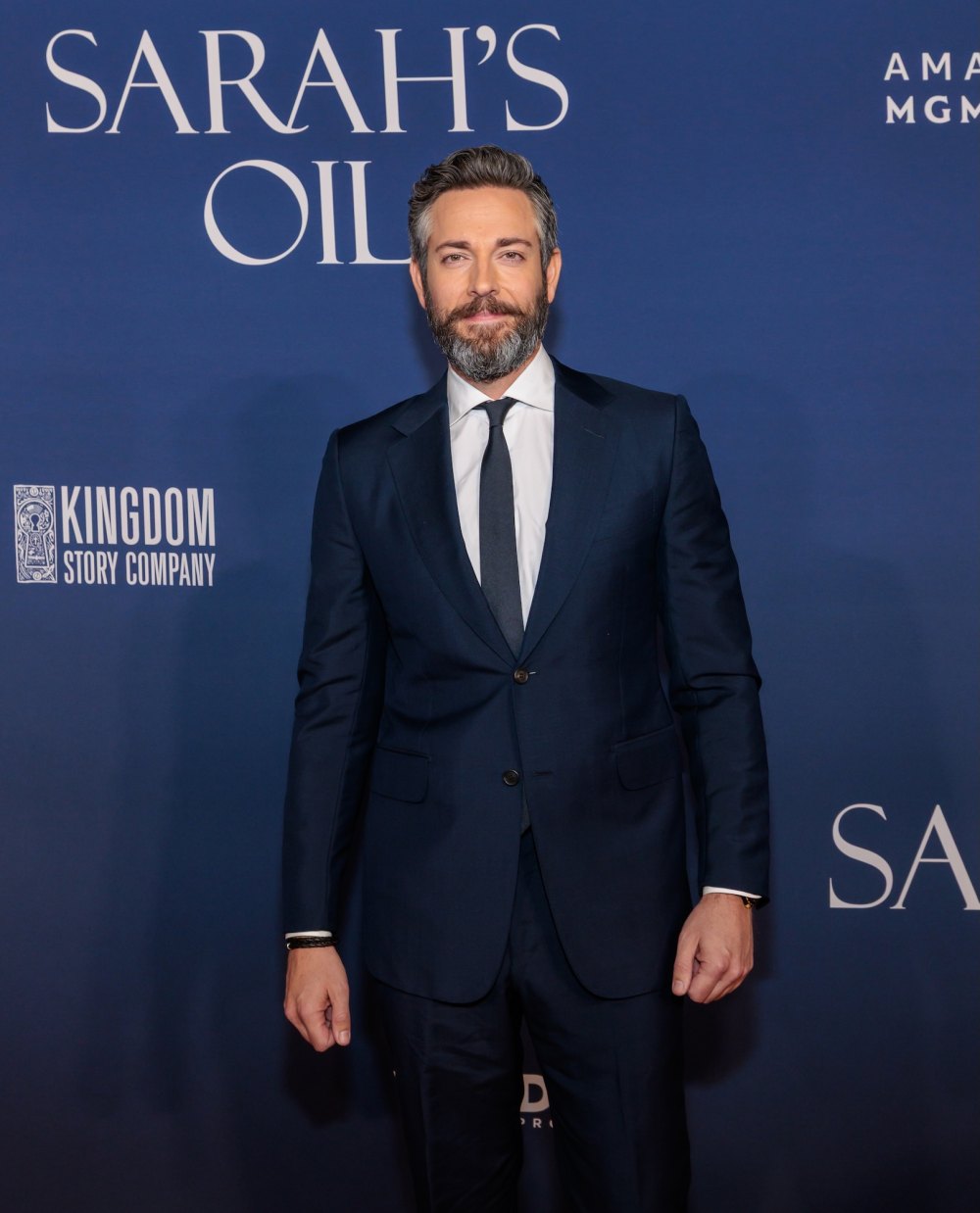
The room fell silent before the screaming started. One moment, Zachary Levi was laughing at a joke from a fellow guest at the White House Correspondents’ Dinner (WHCD) after-party. The next, the sharp crack of gunfire ripped through the air, followed by a wave of chaos that turned celebration into survival mode. The Shazam! star, known more for his superhero persona than crisis testimony, found himself in the middle of a real-life thriller—one that left him shaken, reflective, and ultimately committed to speaking out about the incident.
Levi’s firsthand account of the shooting near the WHCD venue offers a rare window into how quickly public events can spiral—especially when violence strikes close to centers of power. His recollection isn’t just a celebrity anecdote; it’s a visceral snapshot of fear, confusion, and the instinctive human response when danger breaks through the bubble of privilege.
Inside the Ballroom: A Night That Turned Violent
The evening began like any other high-profile D.C. gala. Journalists, politicians, celebrities, and influencers mingled under glittering chandeliers. Zachary Levi, attending as a guest of a media outlet, was seated at a table near the back of the grand ballroom. He described the atmosphere as “electric but safe-feeling”—a common sentiment at events where security is assumed, even if not always visible.
Then came the sound.
“It wasn’t fireworks,” Levi told a news outlet in a follow-up interview. “Fireworks boom. These were sharp, staccato cracks—close, and coming from outside but moving toward the building.”
Within seconds, hotel staff began shouting for everyone to get down. Some guests initially laughed, thinking it was a stunt or part of a performance. But when event organizers began herding people toward back exits, the reality set in: this was not a drill.
Levi recalled seeing people crawling under tables, clutching phones, whispering prayers. A woman near him dropped her purse and started crying silently. Others tried to livestream, only to be stopped by security who feared broadcasting their location.
“They didn’t know where the shooter was,” Levi said. “All they knew was that shots had been fired less than 200 yards from the ballroom entrance.”
Levi’s Role in the Midst of Panic
Though not trained in emergency response, Levi said he tried to help where he could. He assisted an older guest who had trouble moving quickly, guiding them to a service stairwell. He also urged others to silence their phones and avoid flashing lights—small actions, but ones that could reduce attention in a high-risk situation.
“I didn’t feel brave,” he admitted. “I felt scared. But you see someone struggling, and your body just moves. That’s what Shazam would do—but this wasn’t about being a hero. It was about not freezing when people needed to move.”
His actions drew quiet praise from fellow attendees, though Levi downplayed any sense of heroism. “Anyone would’ve done the same,” he said. “But I also know that in moments like that, not everyone does do the same. So if I helped, I’m grateful—even if it was just holding a hand down a dark hallway.”
How Close Was the Threat?
Initial reports placed the shooting several blocks away, but Levi’s account—and those of other guests—suggests the threat was much nearer. Ballistic analysis later confirmed that at least three shots were fired in the direction of the hotel’s south wing, where the ballroom was located. While no bullets penetrated the building, the proximity was enough to trigger emergency protocols.
One guest reported seeing a figure dart behind a service van across the street. Another claimed to hear shouting in the alley adjacent to the event space. Hotel security, working in coordination with D.C. police, locked down the premises within four minutes of the first shot.
Levi emphasized that the speed of the response likely prevented casualties. “The staff knew what to do. They didn’t hesitate. We were moved, secured, and kept calm—mostly. But those first 90 seconds? Pure disorientation.”
The Emotional Toll on Attendees
In the days following the incident, several attendees reported symptoms of acute stress. Levi admitted to struggling with sleep and intrusive thoughts. “You keep hearing the sound in your head,” he said. “You see the faces of people around you. You wonder what if one of them hadn’t made it.”
He has since spoken with a therapist and encouraged others affected to seek help, especially those in media and public roles who often feel pressure to appear unshaken. “We’re human,” he said. “We don’t have to pretend we’re fine just because we weren’t physically hurt.”
His openness about mental health aligns with advocacy work he’s done in the past, particularly around depression and anxiety. But this experience, he said, was different. “This wasn’t internal. This was external violence crashing into a space where we thought we were safe. That changes something in you.”
Why Celebrity Testimony Matters in Crisis Reporting
Levi’s detailed recollection gained traction not just because he’s famous, but because it filled gaps in early media coverage. Initial reports were sparse, conflicting, and often based on anonymous sources. When Levi spoke—calmly, clearly, without exaggeration—his words carried weight.
His account highlighted several issues: - Inconsistent public safety communication during emergencies - The vulnerability of high-profile events, even with security - The psychological aftermath often overlooked in favor of physical outcomes
Media analysts noted that when a trusted public figure shares a firsthand story, it can accelerate accountability. In this case, Levi’s testimony contributed to renewed scrutiny of security coordination between private venues and law enforcement during national events.
Security Failures and Lessons Learned
Despite the presence of federal agents and private security, the response was not seamless. Leaked internal memos revealed that: - Surveillance cameras in the alley were offline for maintenance - Police dispatch took over three minutes to confirm the nature of the call - Some hotel staff were unaware of evacuation protocols
Levi didn’t place blame directly but stressed the need for standardized crisis training at all levels. “You can’t assume that because it’s a fancy hotel or a government-adjacent event, everything’s covered,” he said. “We need drills. We need clear chains of command. And we need to treat these threats as real, not theoretical.”
Experts in event security agree. “High-visibility gatherings are soft targets,” said one former DHS advisor. “The WHCD draws attention. That makes it a potential symbol. And symbols attract violence.”
Moving Forward: Advocacy Over Silence
Since the incident, Zachary Levi has used his platform to advocate for stronger safety measures at public events. He’s collaborated with security consultants and mental health professionals to develop a briefing packet for event organizers—covering everything from threat assessment to post-crisis counseling.
He’s also called for better media guidelines when reporting on active threats, arguing that premature speculation can worsen panic. “We need facts, not fear,” he said. “And when celebrities speak, we have a responsibility to be accurate, not dramatic.”
His stance reflects a broader shift among public figures—from passive attendees to active participants in safety and awareness.
A Closing Reflection on Public Safety and Shared Responsibility
The WHCD shooting wasn’t a national tragedy on the scale of other mass incidents, but it was a stark reminder: no space is immune. Zachary Levi’s experience underscores how quickly normalcy can vanish—and how individual actions, even small ones, can make a difference.
For event planners, his account is a case study in preparedness. For the public, it’s a prompt to recognize that safety isn’t passive. And for those who lived through it, it’s a call to heal—not hide.
Levi ended his public statement with a simple message: “We don’t have to wait for the next crisis to get serious about protecting each other. We can start now.”
Frequently Asked Questions
What was Zachary Levi doing at the WHCD event? He was a guest of a media partner attending the official after-party, not the main dinner. He was there in a personal capacity, supporting press freedom initiatives.
Were any guests injured during the shooting? No guests inside the ballroom were physically injured. The shooter targeted a vehicle outside and fled before police arrived.
How did Zachary Levi help during the chaos? He assisted an elderly guest to safety, encouraged others to silence devices, and followed staff instructions to help maintain order during evacuation.
Did security respond quickly? Hotel security initiated lockdown within minutes, but police confirmation and on-site presence took longer. Review boards have since recommended faster inter-agency coordination.
Has Zachary Levi spoken about this publicly before? Yes—he gave interviews to major news outlets and shared reflections on social media, focusing on mental health and event safety.
What changes have been made since the incident? The hotel upgraded security systems, including cameras and panic buttons. The WHCD committee has also implemented mandatory safety briefings for all event staff.
Is the WHCD still held annually? Yes, but with enhanced security protocols, including increased police presence, restricted access zones, and real-time threat monitoring.
FAQ
What should you look for in Zachary Levi Recalls Chaos During WHCD Shooting? Focus on relevance, practical value, and how well the solution matches real user intent.
Is Zachary Levi Recalls Chaos During WHCD Shooting suitable for beginners? That depends on the workflow, but a clear step-by-step approach usually makes it easier to start.
How do you compare options around Zachary Levi Recalls Chaos During WHCD Shooting? Compare features, trust signals, limitations, pricing, and ease of implementation.
What mistakes should you avoid? Avoid generic choices, weak validation, and decisions based only on marketing claims.
What is the next best step? Shortlist the most relevant options, validate them quickly, and refine from real-world results.